
In 2026, building a bungalow in the UK usually costs between £1,700 and £3,000 per square metre.
For most people, that puts the build cost somewhere between £180,000 and £350,000, depending on size, location, design, and level of finish. Land, professional fees, utilities, and external works are extra.
The reason this range is so wide is simple. The cost of a bungalow is shaped by far more than just floor area. Site conditions, layout choices, planning constraints, and regional differences all play a major role. Understanding those factors early is what keeps budgets realistic and prevents unpleasant surprises later.
Table of Contents
Why are bungalow build costs often higher than people expect
A common assumption is that bungalows should be cheaper because they are single-storey. In practice, the opposite is often true.
A bungalow spreads all living space across the ground. That increases:
- The size of the foundations
- The amount of excavation
- The roof area
- The volume of materials used per square metre
A two-storey house stacks space vertically. A bungalow does not. Even when the design looks simple, the structure underneath usually costs more for the same internal space.
In 2026, that structural reality is compounded by wider industry pressures:
- Labour costs remain higher than before 2020
- Skilled trades are still in short supply in many areas
- Energy efficiency standards require better materials and detailing
- Demand for bungalows remains strong due to accessibility and the ageing population’s needs
When people say bungalows are expensive, what they usually mean is that they are expensive relative to their size. Once that is understood, the numbers start to make sense.
Average bungalow build costs in the UK in 2026
Most early budgeting still starts with cost per square metre. It is not perfect, but it gives a workable starting point.
Typical cost per square metre
In 2026, bungalow builds generally fall into three broad brackets:
- £1,700 to £2,000 per m²
Simple designs, standard materials, basic internal finishes, minimal custom work - £2,000 to £2,500 per m²
Mid-range builds with modern kitchens, good insulation, decent glazing, and solid finishes. - £2,500 to £3,000+ per m²
High-end or bespoke homes with architectural detailing, premium finishes, and advanced energy systems
These figures assume a reasonably straightforward plot with normal ground conditions and good access. Sloping sites, poor soil, or restricted access can quickly push costs higher.
How much does it cost to build a bungalow by size in the UK?
This is one of the most practical ways people judge affordability.
2-bedroom bungalow
Average internal size: 70 to 90 square metres
Average build cost in 2026: £120,000 to £220,000
This size is popular with downsizers and couples because the total cost is highly predictable when the layout is well planned. However, open-plan designs can increase the overall price, but the two-bedroom bungalow is considered the best for a lower budget.
3-bedroom bungalow
Average internal size: 100 to 120 square metres
Average build cost in 2026: £180,000 to £300,000
The 3-bedroom bungalow is the most common type in the UK, largely because of its cost range. For a simple layout, standard design, and stable finishes, the cost is considered affordable. However, the price increases as the design becomes more complex and the finishes are more premium.
4-bedroom bungalow
Average internal size: 130 square metres and above
Average build cost in 2026: £260,000 to £400,000+
Larger bungalows feature additional bathrooms, utility rooms, garages, and larger living areas, and each of these adds structural and finishing costs. At this size, the cost difference between a bungalow and a 4-bedroom two-storey house becomes very noticeable.
These figures cover construction only, while the cost of the land, fees, and external works is separate.
Can you build a bungalow for £200,000 in 2026 in the UK?
Yes, it is possible, but only under the right conditions. For instance, a £200,000 build budget can be achieved when the following points are met:
- The total size of the bungalow remains under 100 square metres
- The plot is flat, already serviced, and ready for building.
- Roof shapes are simple and don’t have any fancy work.
- Internal finishes are simple and close to standard, rather than premium.
It becomes even more difficult when:
- The footprint is comparatively large
- The roof design is complex and requires fancy work
- A garage or large glazing areas are included in the build
- The site requires extensive groundworks, and it can take extra time as well
- High-end kitchens or bespoke features are selected for the building.
The biggest issue with the people is that they assume they can design a large bungalow and control the cost at the same time by downgrading the finishes, but surface finishes are not that costly; structural elements are costly.
Build or Buy a Bangalow in the UK in 2026: Which is Affordable?
The cost to build or buy a bangalow in the UK in 2026 is entirely dependent on the land prices, but some part also depends on build costs and land prices.
Buying an existing bungalow can bring you:
- Involvement of stamp duty on the full purchase price
- Lesser risk
- Often compromising on layout or energy efficiency
- Renovation in some cases
Building a bungalow can bring you:
- Complete control over layout and accessibility
- Better energy performance
- Takes longer to build and involves more uncertainty
In many areas, people choose to build because suitable bungalows are hard to find, rather than because building is cheaper overall.
Is a bungalow cheaper to build than a two-storey house in the UK in 2026?
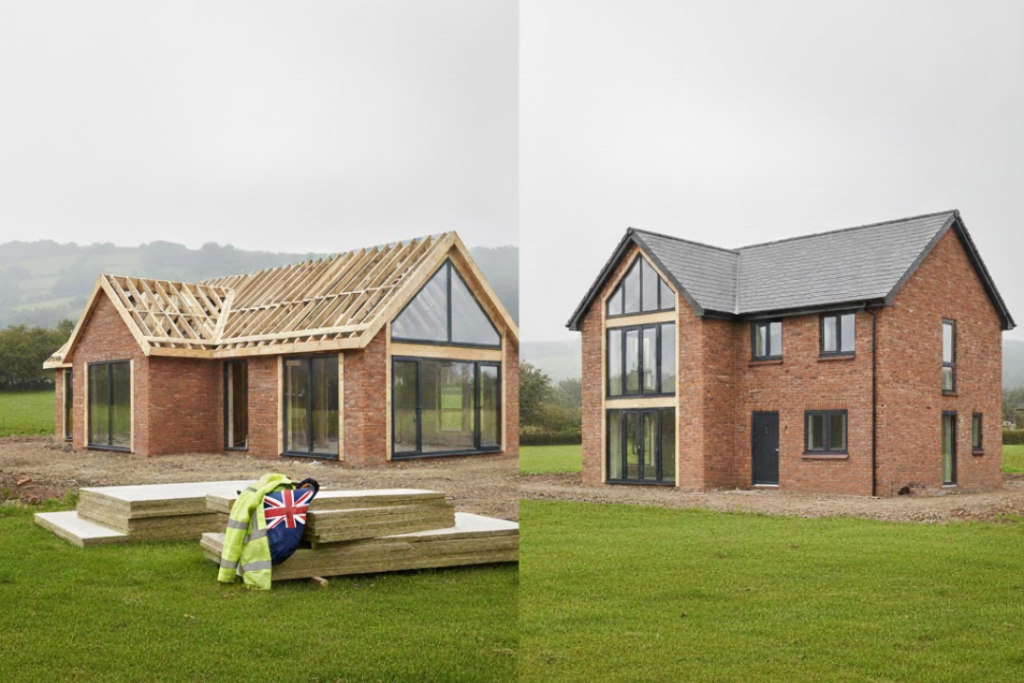
If we compare Bangalow and a two-storey house in the UK in 2026, then the two-storey house is cheaper on a cost-per-square-metre basis.
The reasons for the two-storey house being cheaper are as follows:
- It has smaller foundations for the same floor area
- It has less roof area
- It is a more efficient use of materials
- It has lower groundworks costs
While the Bungalows are chosen for accessibility, lifestyle, and future-proofing, not for cost efficiency.
How location affects bungalow build costs
Location can shift expenses by tens of thousands of pounds.
In 2026:
- London and the South East are typically 10 to 25 per cent more expensive
- Northern England, Wales, and parts of Scotland are generally cheaper
- Rural plots may reduce land costs but increase service and access expenses
Labour availability, planning constraints, and site access all influence final pricing. Two identical bungalows can end up with very different final costs purely because of location.
Land costs and site considerations
Land is often the single biggest cost in a bungalow project.
Plot prices vary depending on:
- Location
- Size
- Planning status
- Access
- Availability of services
A cheaper plot can look attractive but often comes with hidden costs such as drainage, utilities, and access works. These should always be factored in alongside the purchase price.
Planning permission and regulatory requirements
A bungalow is a new dwelling and always requires full planning permission.
Planning-related costs are modest compared to construction, but delays can be expensive. Typical expenses include:
- Application fees
- Architectural drawings
- Design revisions requested by planners
- Building regulations approval and inspections
Time lost during planning often costs more than the fees themselves.
Professional fees to budget for
Most bungalow builds require professional input, including:
- An architect or architectural designer
- A structural engineer
- Sometimes a planning consultant
Combined professional fees typically total 8 to 15 per cent of the build cost, and avoiding professionals can lead to mistakes and other planning issues that can cost you much more later on. So, it is recommended to get professional help from the top UK Construction companies like Buon Construction.
Groundworks and foundations
Groundworks are the most unpredictable part of any build.
They include:
- Site clearance or demolition
- Excavation
- Foundations
- Drainage
- Ground levelling
Poor soil, slopes, trees, or contamination can significantly increase costs. Early surveys are one of the most effective ways to reduce risk.
Utility connections and services
The utility costs are often underestimated because
Utility costs are highly site-specific and often underestimated.
They may include:
- Water connections
- Electricity connections
- Sewer connections or private drainage
- Gas connections, where required
On undeveloped plots, these costs can easily reach several thousand pounds.
External works and landscaping
External works are often overlooked in early budgets.
These can include:
- Driveways
- Paths
- Boundary treatments
- Landscaping
- Drainage around the property
While not part of the core build, these works are usually essential to make the home usable.
Hidden costs that people often miss while calculating the cost of building a bungalow in the UK in 2026
Even if you have planned well, and everything is going smoothly as expected, some unexpected expenses can occur, such as:
- Design changes during construction
- Increase in the price of materials
- Weather delays
- Additional compliance requirements
- Temporary accommodation during the build
A contingency allowance of at least 10 per cent is essential
Self-build versus using a main contractor
If you are going with self-building, you can significantly reduce the overall cost, but the following considerations should be taken into account when doing it yourself:
- You are experienced in construction
- You are available 24/7 on the construction site
- You have a good knowledge of scheduling and sequencing.
For most people, a reputable main contractor costs more upfront but reduces risk, delays, and stress.
How long does it take to build a bungalow in the UK in 2026?
Once construction begins, a straightforward bungalow typically takes 5 to 7 months to build, including design, planning, approvals, financing, and preparation. Total project timelines of 18 to 24 months are common.
VAT and tax considerations in 2026 for building a bungalow in the UK
New residential builds are zero-rated for VAT.
This means:
- Contractors charge 0 per cent VAT on qualifying work
- Self-builders can reclaim VAT on materials after completion
Stamp duty applies only to the land, not the completed bungalow.
Energy efficiency and eco-friendly features for building a bungalow in the UK
In 2026, the energy standards are the highest compared to the previous years, and the common features include the following:
- Heat pumps
- Solar panels
- Enhanced insulation
- High-performance glazing
The above components increase upfront costs but are a long-term investment in reducing overall energy bills.
Is building a bungalow in 2026 worth it?
Building a bungalow offers:
- Long-term accessibility
- Custom layouts
- Strong resale demand
- Modern energy performance
It also requires patience, careful budgeting, and acceptance of uncertainty.
For those who plan thoroughly and set realistic expectations, it remains a practical and rewarding option.
Final thoughts
Building a bungalow in 2026 requires a clear understanding of where costs come from and how they interact and the biggest risks usually arise from:
- Underestimating non-build costs
- Ignoring site-specific challenges
- Relying on headline figures alone
When the whole picture is understood, the process becomes far more manageable and predictable. That clarity is what ultimately keeps projects on track and budgets under control.
FAQs
How much does it cost to build a bungalow in the UK in 2026?
In 2026, building a bungalow in the UK usually costs between £1,700 and £3,000 per square metre, depending on the build and location. Most builds fall between £180,000 and £350,000, excluding land and additional fees.
Is building a bungalow in 2026 worth it?
For many people, yes. Bungalows offer long-term accessibility, strong resale demand, and modern energy efficiency, but they require careful planning and realistic budgeting.
Why are bungalows more expensive to build than houses in the UK?
Bungalows often cost more per square metre because they require larger foundations, more roofing, and more groundworks as compared to two-storey houses with the same floor area.
Is it cheaper to build or buy a bungalow in 2026?
You should expect the building to be cheaper if you manage the design well and choose a well-priced plot of land. However, buying is faster and is considered less risky. But finding a suitable
Can you build a bungalow for £200,000 in 2026?
Yes, but only if the bungalow is under 100 square metres, the plot is flat and serviced, and the design is simple with standard finishes. Larger or complex designs usually exceed £200,000.
How much does it cost to build a 2-bedroom bungalow?
A 2-bedroom bungalow usually costs between £120,000 and £220,000 to build in 2026 in the UK, depending on chosen size, specifications, and site conditions.
How much does it cost to build a 3-bedroom bungalow?
In 2026, a 3-bedroom bungalow usually costs between £180,000 and £300,000 for building only, excluding land and professional fees.
How much does it cost to build a 4-bedroom bungalow?
A 4-bedroom bungalow costs about £260,000 to £400,000, or more, depending on layout complexity, finishes, and additional features such as garages.
Is it cheaper to build a bungalow or a two-storey house?
A two-storey house is usually cheaper per square metre because it requires smaller foundations and less roofing for the same internal space.
How does location affect bungalow build costs?
Location can change costs by 10 to 25 per cent. London and the South East are more expensive, while Northern England, Wales, and parts of Scotland are generally cheaper.
Do you need planning permission to build a bungalow?
Yes. A bungalow is a new dwelling and always requires full planning permission, regardless of location or size.
How long does it take to build a bungalow?
Once construction starts, a bungalow typically takes 5 to 7 months to build. Including planning and preparation, the full project often takes 18 to 24 months.
What additional costs should I budget for when building a bungalow?
Additional costs include professional fees, planning and building control, utilities, groundworks, external works, and a contingency of at least 10 percent.
How much do professional fees add to bungalow build costs?
Architects, engineers, and consultants typically add 8 to 15 per cent to the total build cost.
Are there hidden costs when building a bungalow?
Yes. Common hidden costs include groundworks, utility connections, design changes, delays, compliance upgrades, and temporary accommodation.
Is VAT charged on building a bungalow in the UK?
No, for the new residential buildings, the VAT is zero-rated. The contractors don’t charge VAT, while the self-builders can easily reclaim their VAT amount on materials once the completion is done.
