
Have you looked at your outdoor space recently? You might feel it’s lost its spark or usefulness. Many UK homeowners share this feeling as their gardens don’t meet today’s design and eco standards.
Outdoor spaces have changed a lot. They now focus on sustainability, smart technology, and minimalist looks. These changes reflect how we live and use our homes.

Renovating your garden means understanding new trends. These trends boost property value and eco-friendliness. They create spaces that fit your lifestyle and care for the planet.
Experts like Buon Construction can guide you through these changes. This guide offers practical tips on style, eco-friendliness, and design. It’s all about transforming your outdoor space in the UK.
Understanding Current Landscaping Trends in Modern Garden Renovation
Today’s garden renovations are more than just a face-lift. They’re a complete rethink of outdoor spaces for modern living. British gardens are changing, with a focus on beauty, function, and being kind to the planet. Knowing the latest landscaping trends in modern garden renovation helps improve your home’s value and your life.
These trends reflect big changes in society, like caring more for the environment and wanting outdoor living areas. They also show a need for easy-to-care-for gardens that fit busy lives. Modern garden design aims to create lasting spaces that meet your needs and fit with nature.
Starting your garden makeover means understanding what works for you. Getting advice from experts like Buon Construction can uncover opportunities you might miss. This ensures your renovation is worth it.
Transforming Your Outdoor Environment
Modern garden renovations change how you use your outdoor space all year. Unlike old gardens, new ones have multifunctional zones for dining, entertaining, and relaxing. They also let you garden and watch wildlife.
These changes do more than just look good. They improve drainage, soil health, and biodiversity. They also cut down on upkeep, making your garden a place of peace and health.
Renovating your garden can also boost your home’s value. Studies show outdoor spaces can add 5-15% to your home’s worth. They make your home better for daily life, with areas for kids, dining, work, and quiet time.
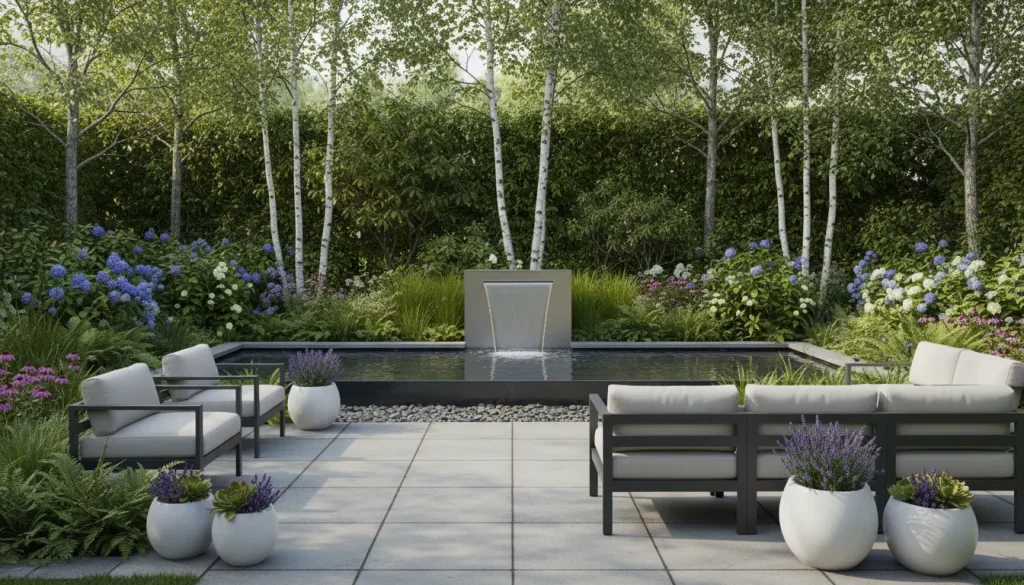
Modern gardens solve old problems like bad drainage and hard-to-care-for soil. By using sustainable garden design from the start, your garden will be strong and need little care.
Adding outdoor living areas is key. With features like covered seating, kitchens, fire pits, and weather-proof furniture, you can enjoy your garden more. These are great in the UK’s weather, letting you enjoy the outdoors all year.
Matching Trends to Your Property
Not every trend fits every garden. It’s important to think about your garden’s size and shape. Small urban gardens need different ideas than big suburban or rural ones.
Where your garden gets sunlight matters a lot. South-facing gardens are best for sunny plants and seating. North-facing ones need shade-tolerant plants and smart design to get enough light.
| Property Factor | Trend Suitability | Design Considerations |
|---|---|---|
| Small urban gardens | Vertical planting, minimalist aesthetics, multi-functional zones | Maximise vertical space, use light colours, create illusion of depth |
| Large suburban plots | Wildlife habitats, naturalistic planting, distinct activity zones | Create defined areas, establish habitat corridors, vary planting heights |
| Shaded properties | Woodland gardens, ferns and hostas, water features | Embrace shade-lovers, use light-reflective surfaces, add lighting |
| Exposed locations | Drought-resistant plants, windbreaks, gravel gardens | Install protective hedging, choose hardy species, improve drainage |
Soil type and drainage patterns also matter. Different soils need different plants and care. Knowing this helps avoid mistakes and ensures plants grow well.
Your lifestyle should guide your garden design. Families need safe play areas, while retirees might prefer easy-care gardens. Pet owners should choose pet-friendly plants and secure areas.
Local weather affects which plants will do well. Choosing plants that fit your climate reduces upkeep and supports local wildlife.
Evaluating Your Garden’s Present Condition
Before making changes, understand your garden’s current state. This helps plan and focus on what needs doing first.
Start by documenting your garden. Take photos from different angles and times of day. Note trees, shrubs, paths, walls, and other features.
Watch how sunlight changes throughout the day and year. This helps place seating, plants, and solar features. It’s key for sustainable garden design.
Drainage is critical. Look for water pooling, muddy spots, and erosion. Fixing these problems is essential for a beautiful garden.
Soil quality is important for plant health. Simple tests can show pH levels, nutrients, and structure. This guides plant choice and soil improvement.
Be honest about your garden’s problems, like overgrown areas and failing structures. Seeing these as opportunities for improvement is important.
Assess your garden in different seasons if you can. Winter shows the garden’s bones, while growing seasons show which plants do well.
Getting advice from experts like Buon Construction can help. They spot problems you might miss and suggest improvements that fit current landscaping trends in modern garden renovation. Their knowledge helps avoid mistakes and makes your renovation more effective.
This detailed evaluation ensures your renovation tackles real problems and fits your garden and lifestyle. It’s a smart way to invest in your outdoor space.
How to Create Sustainable Garden Design with Eco-Friendly Landscaping Solutions
Turning your outdoor space green is good for the planet and your wallet. A sustainable garden design cuts down on water use, waste, and boosts your health. Follow these four steps to make your garden eco-friendly and fit for the UK’s climate.
Experts like Buon Construction make your garden green and beautiful. They ensure your garden is good for the planet while looking great. This way, you make choices that benefit your property for years.
Step 1: Plan Your Water Conservation Strategy
Water saving is key in any green garden. Start by thinking about how rainwater moves through your garden. Rainwater harvesting systems are a great first step for UK homes.
Choose the right water butts for your garden size. Place them under downpipes to catch roof runoff well. A semi-detached house roof can collect about 24,000 litres a year, on average.
Swales and rain gardens help manage extra water. These shallow spots collect runoff and let it soak into the soil slowly. They stop waterlogging, recharge groundwater, and ease drainage system pressure.
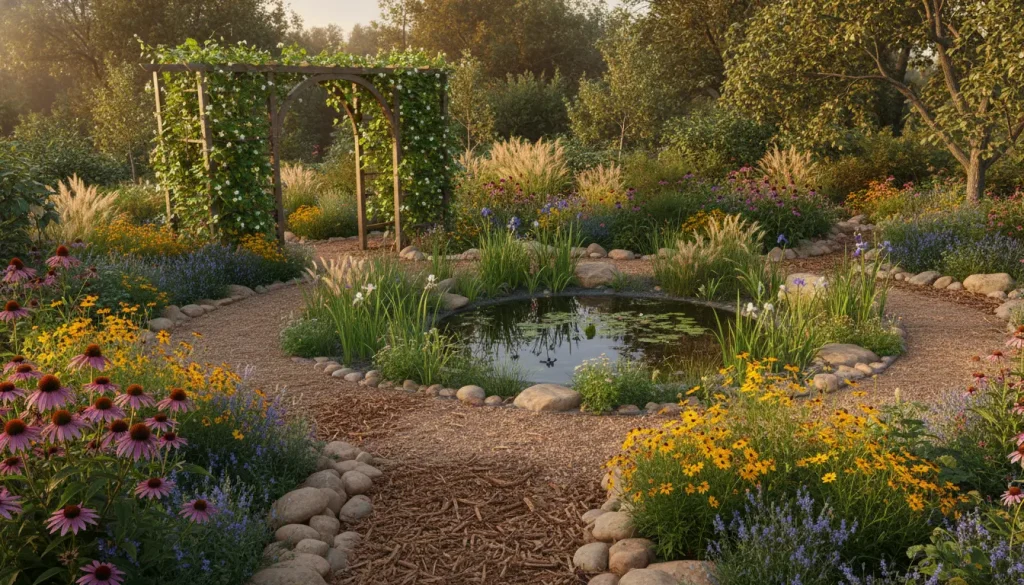
Permeable paving is another smart water management choice. Unlike hard surfaces, it lets rainwater soak through. This cuts down on runoff, prevents floods, and keeps water cycles natural in your garden.
Buon Construction experts look at your garden’s water flow. They suggest the best places for harvesting systems and design drainage that fits your garden’s look.
Step 2: Select Sustainable and Recycled Materials
Choosing the right materials is important for a green garden. Opt for sustainable and recycled options to reduce waste and add character. Reclaimed timber is great for raised beds, edges, and structures.
Recycled plastic composite decking is durable and eco-friendly. It lasts long without using new materials. It’s also easier to care for than traditional decking.
Use local stone and aggregates to cut down on emissions. Local stone fits your area’s style better than imported stone.
Look for FSC-certified wood products when you need new timber. This ensures the wood comes from responsibly managed forests.
| Material Type | Environmental Benefit | Typical Applications | Lifespan |
|---|---|---|---|
| Reclaimed Timber | Prevents waste, reduces demand for new wood | Raised beds, edging, fencing, pergolas | 15-25 years with treatment |
| Recycled Composite | Diverts plastic waste, no chemical treatments needed | Decking, benches, planters | 25-30 years |
| Local Stone | Low transport emissions, regional character | Paving, walls, rockeries | 50+ years |
| FSC-Certified Wood | Sustainable forestry, habitat protection | Structures, furniture, decking | 20-30 years with maintenance |
Using repurposed materials adds charm and supports green gardening. Old bricks make great path edges, and reclaimed railway sleepers build strong walls. These choices tell a story and help the environment.
Step 3: Implement Composting and Soil Health Practices
Healthy soil is the base of a thriving garden. Composting turns waste into valuable soil food. This closed-loop system cuts landfill waste and improves soil naturally.
Pick a composting system that fits your garden and waste needs. Traditional bins work for most homes, while tumbler composters are better for small spaces. Wormeries are perfect for urban gardens with little outdoor area.
Keep a balance of green (nitrogen-rich) and brown (carbon-rich) materials. Green materials include vegetable scraps, grass clippings, and fresh plants. Brown materials are dried leaves, cardboard, and wood prunings.
This balance speeds up composting and prevents bad smells. Aim for equal amounts of each. Regularly turn your compost to add oxygen and speed up the process.
Improved soil structure holds more water and nutrients. Adding compost increases organic matter and supports soil life. These microorganisms break down nutrients for plants.
Your composting system saves landfill space and gives you free fertiliser. UK homes throw away about 150 kilograms of compostable waste yearly. Turning this into garden soil saves money and reduces environmental harm.
Buon Construction adds composting to garden designs smoothly. They place systems where they’re easy to use but don’t spoil the look of your garden.
Step 4: Design for Reduced Maintenance
Smart planning cuts down on upkeep and supports green gardening. Choose plants that fit your garden’s conditions well. This means they grow well in your soil, light, and moisture.
Group plants by their needs in your design. This is called hydrozoning. It makes watering efficient and prevents overwatering of plants that don’t need much.
Automated irrigation systems water plants just right, when they need it. Drip irrigation and soaker hoses target roots, saving water. Timers ensure plants get water even when you’re away.
Design your garden to fight weeds naturally. Dense ground covers and mulching keep soil covered. This reduces weeding, saves water, and controls soil temperature.
Use perennial plants for main garden features. They come back every year, saving effort and resources. Many native UK perennials need little care once established.
Experts like Buon Construction make your green garden work well from the start. They know how to avoid common mistakes and create a low-care outdoor space. They focus on water saving, eco-friendly materials, soil health, and smart design for a garden that’s good for the planet and practical.
Implementing Drought-Resistant Planting and Native Species
Your garden can handle dry spells better with plants that match Britain’s weather. Drought-resistant planting with native species needs less water, less care, and helps local ecosystems. This is key as UK summers get warmer and saving water is important for gardening.
Native plants have grown well in British soil and weather for thousands of years. They have deep roots that find water that shallow-rooted plants can’t. This makes them great for gardens that use less water and look good all year.
Getting help from experts means your drought-resistant plants will grow well. Buon Construction can pick and plant the right native and drought-resistant plants. They know how to choose and plant them for the best start to your garden.
Choosing the Right Native Plants for UK Gardens
Picking the right native plants is key for drought-resistant gardens. You need plants that do well in your area and look good. Plants like lavender, thyme, and sedums are good because they don’t need much water and attract pollinators.
Native grasses like festuca add texture and move in the wind with little water. Perennials like echinacea and eryngium look good and survive dry spells. Together, they make gardens that look good even in summer droughts.
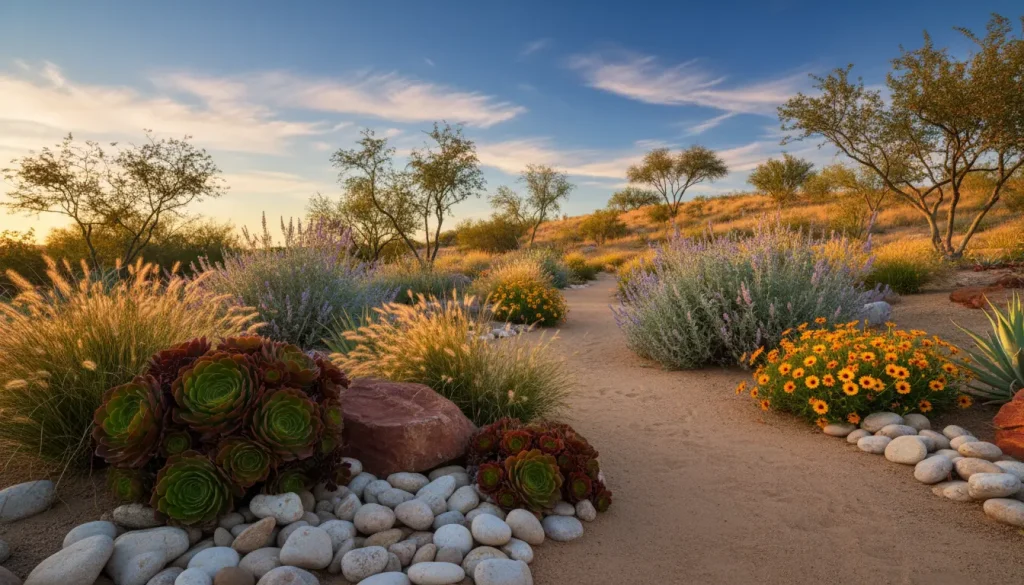
Combining different plants makes gardens more resilient than using just one type. Mixing grasses, perennials, and groundcovers helps plants find water in different places. This also helps more insects and animals.
Best Native Species for Different UK Regions
Every part of the UK needs different plants because of the weather. In the south, plants that like the heat and dry are best. In the north, plants that like cooler weather and more water are better, even with drought-resistant plants.
| UK Region | Climate Characteristics | Recommended Native Species | Drought Tolerance Level |
|---|---|---|---|
| Southern England | Warmer, drier summers with lower rainfall | Lavender, thyme, marjoram, festuca grasses, eryngium | High – survives 6+ weeks without irrigation |
| Northern England & Scotland | Cooler temperatures, higher rainfall, shorter growing season | Heather, Scottish bluebell, wild thyme, native ferns | Moderate – requires occasional watering in dry spells |
| Coastal Areas | Salt exposure, wind, free-draining sandy soils | Sea thrift, sea holly, coastal grasses, rock rose | Very high – adapted to harsh conditions |
| Urban Gardens | Heat islands, compacted soil, limited root space | Sedums, sempervivums, hardy geraniums, ornamental alliums | High – thrives in challenging urban environments |
Coastal areas need plants that can handle salt and wind. Sea thrift and sea holly are great for this. They look stunning and need little care once they’re settled.
Urban gardens need plants that can handle heat and dry soil. Sedums and sempervivums are perfect for this. They add interest all year and need almost no water after they’re established.
Seasonal Considerations for Planting
Planting at the right time is important for success. Autumn is the best time for most native plants, as rain helps them grow roots before summer. September to November is the best time in most of the UK.
Spring planting works too, but you need to water more during the first year. Water regularly from March to May. This helps young plants grow strong roots before the first summer drought.
Don’t plant in the hottest summer or coldest winter. July and August are too hot and dry, and December to February are too cold. Frost can damage young plants before they’re strong enough.
Arranging Drought-Resistant Plants Effectively
How you arrange plants makes a big difference. Grouping plants by their water needs saves water and makes care easier. This method, called hydrozoning, looks good and works well.
Put the most drought-tolerant plants in the driest spots. These are usually south-facing slopes or areas with good drainage. Save spots that hold a bit more moisture for plants that need a little extra water during the first year. This makes your garden easier to care for in the long run.
Use different heights and textures to make your garden interesting. Mix tall grasses with low-growing plants and groundcovers. This makes your garden look good all year, even when plants aren’t flowering.
Plant things far enough apart so they don’t compete for water. Drought-resistant plants grow slowly but steadily. Give them enough space to spread out without getting crowded. This prevents water competition and makes your garden easier to care for.
Establishing Proper Soil Preparation Techniques
Good soil is essential for drought-resistant plants. Adding grit or sand helps water drain away, preventing plants from getting waterlogged. Mix in 20-30% horticultural grit by volume in heavy clay soils before planting.
Adding organic matter helps the soil hold water but not too much. Compost or leaf mould helps keep moisture in during dry times. Aim for a 5-10cm layer mixed into the top 20cm of soil.
Don’t over-fertilise, as it encourages plants to grow too much and need more water. Most native plants do well in poor soil with little extra food. Too much food makes them grow too much and wilt quickly when it’s dry.
Plant at the right depth for each species. Planting too deep can cause rot, while planting too shallow exposes roots to drying out. Most perennials should be planted at the same depth as they were in their pots.
Getting help from experts is a good idea for soil preparation and planting. Buon Construction knows how to prepare soil and plant drought-resistant plants. They make sure your garden gets off to a great start. They do everything from soil analysis to planting and mulching, so you can be confident in your garden’s success.
Building Wildlife-Friendly Landscaping into Your Design
Your garden renovation can help local ecosystems. It’s about creating spaces that support wildlife. This includes pollinators, birds, and beneficial insects.
Professional garden renovation adds habitat-supporting elements to your design. These features look good and help the environment. They support biodiversity in your garden.
Creating Pollinator-Friendly Zones
Pollinator zones in your garden attract bees, butterflies, and hoverflies. Choose plants that bloom from March to October. Verbena bonariensis is great for attracting pollinators with its purple flowers.
Native wildflowers are key to these zones. They provide nectar for pollinators all season. Layering plant heights creates microhabitats for different pollinators.
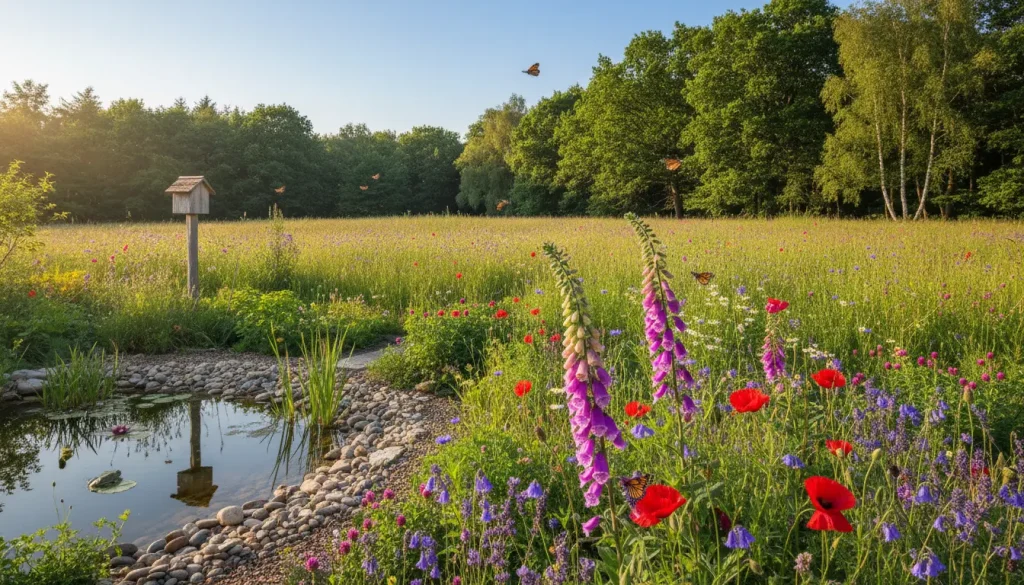
Herbs like oregano, marjoram, thyme, and lavender are good for pollinators. Let some herbs flower to help the environment. This way, they support more wildlife.
Flowering shrubs add structure and support pollinators. Buddleia is a classic choice, but modern varieties are better. Ceanothus and hebe varieties bloom longer. Avoid pesticide use in pollinator zones to protect wildlife.
Installing Bird Baths and Natural Water Sources
Water features are great for many species. Bird baths at different heights suit different birds. Ground-level baths are for robins and blackbirds, while raised ones attract sparrows and finches.
Shallow edges are safe for birds. They need just 2.5-5 centimetres of water. Textured surfaces prevent slipping and are safe for wildlife. Stone or ceramic materials look natural in gardens.
Place water sources near cover for birds. This keeps them safe from predators. But, make sure there’s enough space to avoid cats. Clean baths regularly to keep birds healthy.
Wildlife ponds are the best for water-based habitats. They support amphibians, insects, and mammals. Use native plants around the pond to make it look good and work well.
Incorporating Log Piles and Native Hedgerows
Log piles are great for decomposers like beetles and fungi. They also help hedgehogs and amphibians. Put log piles in shaded areas for better decomposition.
Use untreated wood from native trees for log piles. Oak, ash, and beech are good choices. Create piles of different sizes for various wildlife needs.
Native hedgerows are good all year. Hawthorn berries feed birds in winter. Blackthorn flowers in spring and has sloe fruits in autumn. Field maple and hazel support insects.
Mixed hedgerows are better than single-species ones. Use five to seven native species. Plant at a density of five per metre. Staggered double rows make thicker hedgerows for more wildlife.
| Wildlife Feature | Primary Species Supported | Key Design Considerations | Maintenance Requirements |
|---|---|---|---|
| Pollinator Zones | Bees, butterflies, hoverflies, moths | Continuous blooming, layered heights, sunny positions, native species | Deadheading for extended flowering, annual plant rotation, no pesticides |
| Bird Baths | Songbirds, thrushes, finches, wagtails | Varying heights, shallow depths, textured surfaces, near cover | Daily water changes in summer, weekly cleaning, winter ice removal |
| Wildlife Ponds | Frogs, newts, dragonflies, water beetles | Graduated depths, planted margins, no fish, natural filtration | Autumn leaf removal, spring thinning, maintaining water levels |
| Native Hedgerows | Nesting birds, small mammals, pollinators, berry-feeding species | Mixed species planting, double rows, connectivity to other habitats | Annual late-winter trimming, mulching base, gap filling as needed |
Professional gardeners make wildlife-friendly landscaping work with your garden design. Buon Construction knows how to place features for the best effect. They consider how to connect habitats and make your garden interesting all year.
Adding wildlife features makes your garden a living ecosystem. It helps control pests and makes your garden more interesting. Supporting local wildlife through design is good for the environment and your enjoyment of the garden.
Integrating Smart Garden Technology for Modern Living
Adding digital solutions to your garden makes it smart and adaptable. Smart garden technology saves water by up to 50% and keeps plants healthy all year. It turns your garden into a high-performing, low-maintenance space.
Today, gardens often include tech that was once seen as luxury. These systems cut down on water bills and maintenance costs. Buon Construction makes sure these technologies work well from the start.
Setting Up Automated Irrigation Systems
Automated irrigation means no more guessing when to water. It uses weather data to adjust watering schedules. This prevents wasting water and keeps plants healthy all year.
Experts at Buon Construction design efficient irrigation systems. They consider your garden’s layout and plant needs. This approach saves water and resources.
Choosing the Right Smart Irrigation Controller
Your irrigation controller is the brain of your system. Smart irrigation controllers range from simple timers to advanced weather-connected models. The right one depends on your garden’s size and your control needs.
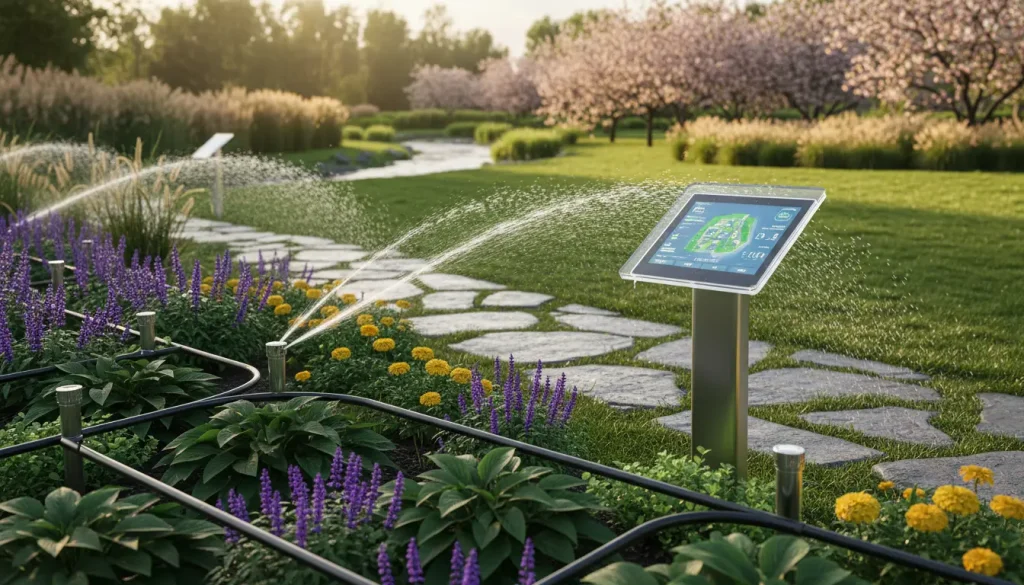
Advanced controllers connect to the internet for automatic adjustments. They learn your garden’s needs over time. You can control them with apps and get alerts about system status.
| Controller Type | Key Features | Best Suited For | Approximate Cost Range |
|---|---|---|---|
| Basic Timer | Manual scheduling, multiple zones, battery backup | Small gardens with uniform watering needs | £40-£80 |
| Smart Controller | Weather integration, smartphone app, zone programming | Medium gardens with varied plant types | £120-£250 |
| Advanced System | Weather sensors, soil moisture integration, learning algorithms, voice control | Large gardens with complex requirements | £250-£500 |
| Professional System | Multi-zone control, flow monitoring, leak detection, full automation | Extensive properties requiring commercial-grade reliability | £500-£1,200 |
Installing Drip Lines and Moisture Sensors
Drip irrigation delivers water directly to roots, saving up to 90% water. It keeps leaves dry and prevents disease. This method ensures plants get the right amount of water.
Proper design covers all areas without gaps. Buon Construction ensures the system works well everywhere. They consider elevation and distance from the water source.
Moisture sensors check soil conditions in real-time. They help the controller decide when to water. This saves water and keeps plants healthy.
Adding Smart Outdoor Lighting
Modern LED lights extend your garden’s use into the evening. Smart lighting solutions are energy-efficient and can be controlled remotely. You can create different lighting scenes for various occasions.
Lighting placement is key for both function and beauty. Path lights ensure safety, while accent lights highlight features. Buon Construction places lights to avoid pollution and enhance your garden’s look.
Programmable lights adjust to sunset times and can be controlled with apps. Motion sensors save energy and add security. You can manage all zones at once, creating a seamless lighting experience.
Using Garden Management Apps for Maintenance
Digital tools help track maintenance and identify plants. Garden management apps keep a detailed record of your garden. This helps with future decisions and troubleshooting.
Apps alert you to weather changes that might affect your garden. They also help with maintenance tasks at the right time. Many apps include guides for plant care and pest management.
Photo documentation shows your garden’s growth over time. It’s useful for tracking changes and getting advice from experts. These records become more valuable as your garden grows.
Buon Construction includes smart garden technology in their projects. They ensure systems work well with your garden’s design. Professional installation means reliable performance and easy use. You’ll get full guidance on using these technologies.
Designing Contemporary Outdoor Living Spaces with Minimalist Garden Aesthetics
Today, people love minimalist garden designs. These spaces are calm and versatile. They offer a peaceful escape from daily life and are perfect for all seasons.
Your garden can feel like an extension of your home with minimalist design. It’s all about choosing a few key elements that make a big impact. This way, your garden feels open and organised, no matter its size.
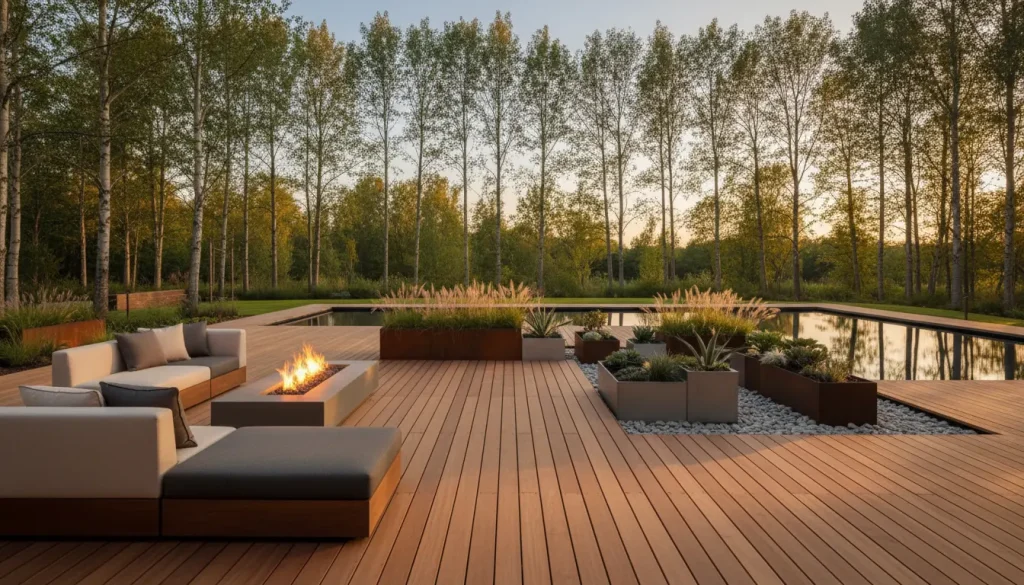
Selecting Clean Lines and Geometric Shapes
Geometric shapes bring order to your garden. Rectangular paving makes paths clear and easy to follow. Linear beds frame your garden’s look and keep plants in check.
Angular water features add a modern touch. Straight paths contrast with the natural curves of plants. Fences or walls provide privacy without blocking the view.
Using the same shapes throughout your garden creates a sense of unity. Paving, beds, and pergolas can all follow a rectangular theme. Using different materials makes these elements stand out.
Your plants should complement the clean lines of your garden. Plants like phormium and bamboo add structure. This balance keeps your garden looking simple yet interesting.
Choosing a Restrained Colour Palette
Using fewer colours brings harmony to your garden. Neutral tones like grey, white, and black are popular. They let plants be the main focus.
Stick to two or three colours to make a strong statement. Charcoal paving with timber and white walls is a good mix. Plants add colour without overwhelming the space.
Choose plants with interesting foliage for year-round interest. Plants like lavender and heuchera add subtle colour. Seasonal changes add variety without disrupting the colour scheme.
Think about how materials change over time. Timber, steel, and stone all look better with age. This adds character to your garden without ruining the colour scheme.
Creating Multi-Functional Outdoor Zones
Modern gardens need to be versatile. Multi-functional zones make the most of your space. They look simple but are very useful.
Level changes help define areas without blocking views. A raised deck for dining works well with a lounge area below. Material changes, like from paving to gravel, also mark different zones.
Planting can also help define spaces. Grasses or shrubs can screen areas without blocking the view. Features like planters or water bowls mark boundaries without being too obvious.
| Design Element | Functional Purpose | Aesthetic Contribution | Maintenance Requirement |
|---|---|---|---|
| Geometric Paving | Defines circulation routes and activity zones | Creates visual order through repeated patterns | Low—occasional cleaning |
| Linear Planting Beds | Contains vegetation within controlled areas | Frames architectural elements with soft texture | Moderate—seasonal pruning |
| Neutral Colour Palette | Reduces visual noise and creates calm | Allows form and texture to dominate | Low—ages gracefully |
| Multi-Level Zones | Separates activities without barriers | Adds spatial interest and depth | Low—structural permanence |
| Contemporary Furniture | Provides comfortable seating and surfaces | Reinforces clean design aesthetic | Low—weather-resistant materials |
Urban gardens benefit from being multi-functional. A raised bed can be a seat and a plant holder. Storage benches keep cushions and tools out of sight. This makes small spaces feel bigger and more organised.
Defining Dining and Entertainment Areas
Choosing the right spot for dining is important. East-facing areas are good for breakfast, and west-facing for evening meals. Track the sun’s movement to ensure your dining area gets the right light.
Adding shelter makes your garden more usable. A pergola with a retractable canopy provides shade in summer and lets sun in winter. Glass screens keep out wind without blocking the view.
Make sure your dining area is level. Properly sloped paving is essential for drainage without making furniture unstable. A 4×3 metre area is good for a six-person table, but bigger gatherings need more space.
Adding amenities makes your dining area a real entertainment spot. An outdoor kitchen makes cooking easier. Fire features or heaters let you enjoy your garden in cooler months. Outdoor power points are great for lights and music.
Adding Contemporary Garden Furniture
Furniture is key to your contemporary outdoor living spaces. Choose pieces with clean lines and simple designs. Avoid anything too ornate or traditional.
Use weather-resistant materials to make furniture last longer. Aluminium, rattan, and outdoor fabrics are good choices. Teak and composite materials also work well.
Make sure your furniture is comfortable. Test it out before buying. Modular seating is flexible and can be rearranged for different occasions.
Choose furniture that matches your garden’s style. If your garden has timber, choose furniture with wood accents. Stone and concrete gardens look good with metal or composite furniture. This ensures your furniture enhances your garden’s look.
Buon Construction knows how to make your garden look good and work well. They help you create a space that’s simple yet functional. Their expertise is great for making sure everything fits together perfectly.
Planning Garden Renovation Costs and Urban Garden Transformations
Renovating your garden is more than just a dream it’s about planning and expertise. Whether you have a big garden or a small city courtyard, knowing the costs and how to save is key. This stage links your design dreams with what you can afford, showing how experts make every penny count.
Garden renovation costs change a lot based on what you want to do, the materials, and the garden’s state. City gardens face special challenges like small spaces and hard access. Your plan should cover both the costs and the skills needed to bring your vision to life.
Calculating Your Garden Renovation Budget
Start by thinking about what you want and how much you can spend. Garden makeovers in the UK can cost from £5,000 for small changes to £50,000 or more for big overhauls. This range depends on the garden size, its current state, design complexity, and material quality.
Make a list of all the things you need: design fees, preparing the site, materials, plants, features, and labour. Add 10-20% for unexpected costs like bad drainage or hidden pipes. This way, you avoid surprises and focus on what’s most important to you.
Think about your timeline and budget together. Doing the work in phases can spread out the costs over time. But, finishing everything at once can save money by avoiding extra setup costs and keeping the design consistent.
Material Costs for Modern Landscaping
Materials are a big part of the cost, with good choices affecting both upfront and long-term costs. Natural stone paving costs £40 to £100 per square metre, while composite decking is £60 to £150 per square metre, depending on quality and finish.
Soil and plants need careful budgeting. Topsoil and compost cost £30-£60 per cubic metre delivered. Plants vary a lot—perennials start at £5 each, shrubs from £15-£50, and big trees can be over £200 plus planting costs.
Adding features like retaining walls costs a lot more. Walls cost £100-£300 per square metre installed. Water features range from £500 for simple ones to £5,000+ for custom designs with professional setup.

Labour costs in the UK are £150 to £250 per day per tradesperson. Experts like stonemasons or irrigation technicians charge more. Design consultation fees range from £500 for basic plans to £3,000+ for detailed designs.
Experienced contractors save you money by working efficiently and avoiding mistakes. They finish faster than DIY, reducing disruption to your home. Their skills prevent costly errors that DIY projects often make.
Professional services include site checks, waste removal, and groundwork often missed in initial budgets. Remember to budget for skip hire at £200-£400, soil disposal, and costs for machinery or scaffolding on tricky sites.
| Cost Category | Budget Range | Mid-Range Example | Key Considerations |
|---|---|---|---|
| Design Services | £500 – £3,000 | £1,500 | Professional plans prevent costly mistakes and optimise layouts |
| Hard Landscaping | £3,000 – £20,000 | £10,000 | Paving, walls, decking form structural foundation |
| Planting & Soil | £1,000 – £8,000 | £3,500 | Quality plants and preparation ensure long-term success |
| Features & Technology | £2,000 – £12,000 | £5,000 | Irrigation, lighting, water features enhance functionality |
| Labour & Installation | £2,500 – £15,000 | £7,000 | Skilled contractors deliver quality and efficiency |
Maximising Space in Urban Garden Transformations
City garden makeovers need creative solutions to use every inch. Even small gardens can be turned into valuable outdoor spaces.
Vertical gardening makes the most of tight spaces. Use wall-mounted planters, trellises, and green walls to add greenery. This approach adds beauty and improves air quality.
Multi-level designs create different areas in small spaces. Use raised beds, decking, and sunken seating to define spaces for dining, relaxing, and planting. These changes add style and improve drainage.
Mirrors and reflective surfaces make small gardens seem bigger. Place mirrors to double the visual space, and use polished metal and water features to reflect light. These tricks are great for small city plots.
Choose compact plants for tight spaces. Opt for narrow trees like Prunus ‘Amanogawa’ instead of wide ones. Select plants that do more than one thing—like herbs that smell good, taste great, and attract pollinators.
Smart storage keeps small gardens tidy. Use built-in benches for tools and cushions. Vertical storage keeps things organised without blocking views. This stops clutter that makes small spaces feel cramped.
Working with Buon Construction for Professional Results
Working with experts makes your garden makeover a smooth journey. Buon Construction is a top UK garden renovation company. They blend creative design with careful execution, understanding the latest trends and your unique needs.
Buon Construction starts by listening to your ideas and checking your garden’s possibilities. They find opportunities you might miss and handle challenges that DIY projects can’t. This is very helpful for city garden makeovers where access and neighbours can be tricky.
How Buon Construction Delivers Expert Garden Renovations
Buon Construction handles every part of your garden makeover, from the first idea to the final touch. Their team includes designers, horticulturists, and skilled workers who work together well. This ensures your design comes to life perfectly.
They’re experts in all modern landscaping, from sustainable designs to smart tech and minimalist looks. They keep up with new ideas, bringing the latest solutions to your project while focusing on timeless quality.
What sets Buon Construction apart is their project management. They keep you updated, offer realistic timelines, and manage different trades well. This keeps your life running smoothly while your garden is being made over.
Comprehensive Services from Design to Installation
Buon Construction offers everything you need for your garden makeover. They start with a detailed site check, looking at soil, drainage, sunlight, and existing features. This helps them create a design that makes the most of your garden.
Their design service gives you detailed plans, material lists, planting ideas, and 3D visuals. This helps you see what your garden will look like. They find good materials at good prices, saving you money without sacrificing quality.
Skilled teams then bring your design to life. They handle all the hard work, from groundwork to planting. After it’s done, they help with upkeep and give advice for the seasons ahead.
Getting Your Free Consultation with Buon Construction
Getting started with Buon Construction is easy. Just book a free consultation. This meeting lets you share your ideas, get advice, and discuss your lifestyle needs. They’ll visit your garden to see what’s possible.
In the consultation, you’ll get expert advice on design, costs, and timelines. They’ll answer your questions honestly, helping you make the best choices. This builds trust in their advice and your decisions.
Booking your free consultation is quick. Contact Buon Construction online or call their friendly team. They’ll fit in with your schedule and prepare for a productive chat. This first meeting can change your view of what’s possible for your garden.
Whether you’re planning small updates or big city garden makeovers, working with experts gives you better results. These results are worth the investment for their beauty, usefulness, and lasting quality.
Conclusion
Modern landscaping trends let you create a beautiful outdoor space. It’s not just about looks; it’s also about being eco-friendly and practical. By using sustainable methods, you can save money and help the planet.
Choosing plants that need less water and are native to your area is smart. These plants are easy to care for. Adding features that attract wildlife makes your garden come alive.
Using smart technology makes caring for your garden easier. This means you can enjoy your outdoor space more without the hassle.
Your garden renovation is a smart investment. It makes your home more attractive and useful. These tips work for any garden size, big or small.
Each part of your garden can be customized to fit your budget and taste. This way, your garden reflects your personal style.
Creating a beautiful garden needs careful planning and skilled help. A professional can turn your ideas into reality. They make sure your garden looks great and adds value to your home.
Buon Construction is a top choice for garden design and renovation in the UK. They can help you create a garden that’s both stylish and eco-friendly. Contact Buon Construction for a free consultation and start making your garden dream a reality.
